Artist Interview with Wildwood Park for the Arts

As an Arkansas Arts Council Arts on Tour artist, I recently had an art exhibition at Wildwood Park for the Arts. I was interviewed shortly after the exhibition by Wildwood.

What mediums do you work with?
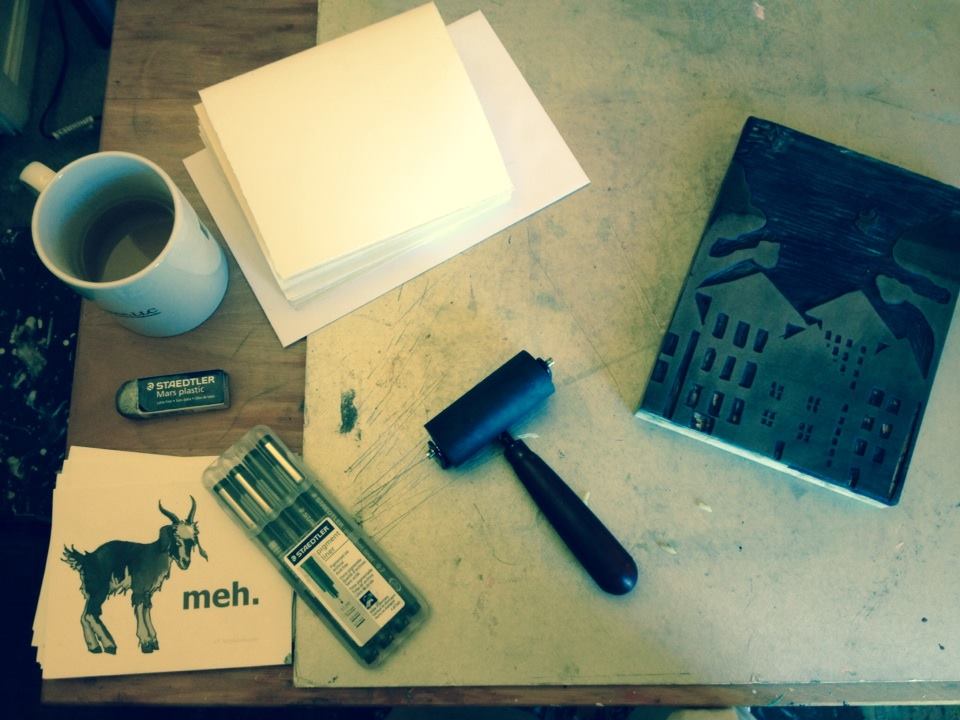
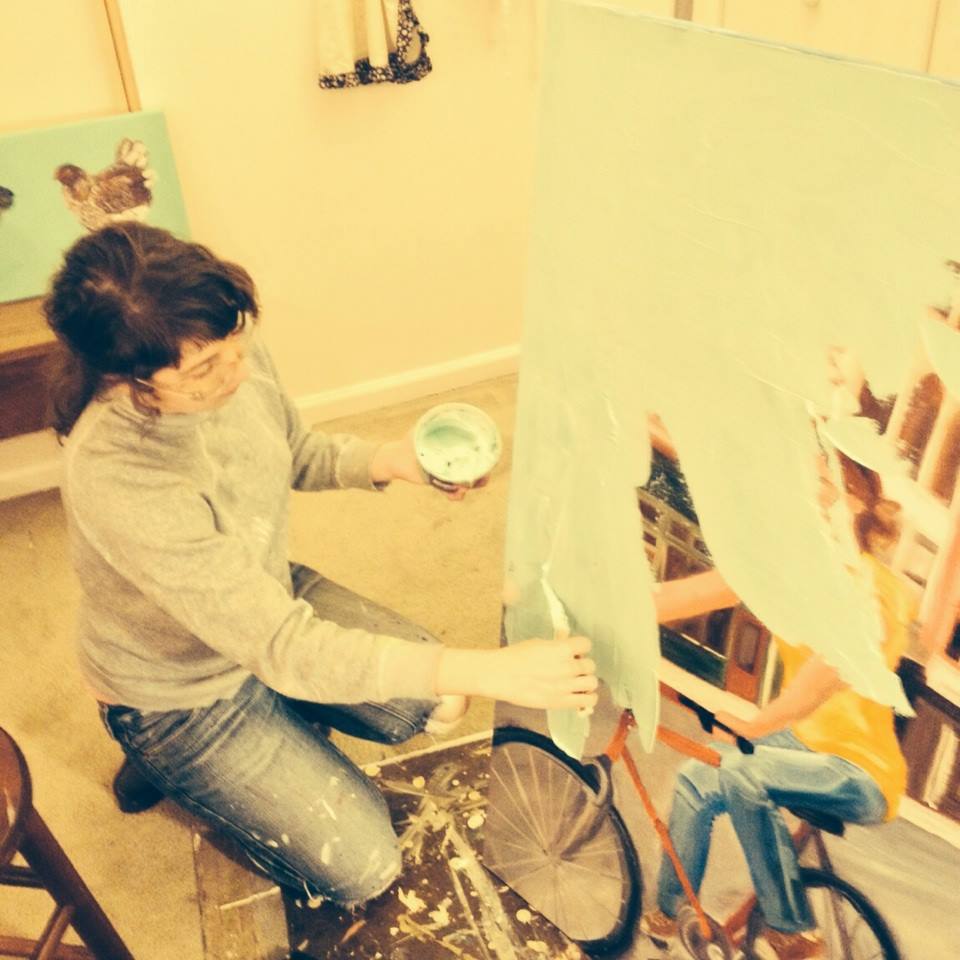
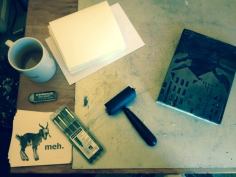
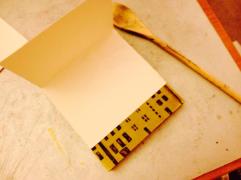
In printmaking, I work with relief printing (linoleum and woodcuts), etching, and lithography. With painting, I work with mostly oil, but at times with acrylic, gouache, and watercolor. I enjoy drawing with different types of charcoal, pencils, and ink. I experiment with fabrics, fibers, and natural materials (papermaking).

Besides your art practice, are you involved in any other kind of work?
I write and record music with my spouse in our band “The Damsels in Distress.” We mostly create albums, but have been working with KUAR Arts and Letters to create music for their productions. We also have created a children’s story called “The Boy and the Firefly” that has accompanying music. We hope to explore more bookmaking and song ideas to accompany puppet shows.

What does a typical day in the studio look like?
I have a large to-do list and organize the project for that day. I lay out the materials I will need in order, and then begin working in a linear way. So, if I am going back and forth with multiple pieces or projects, it’s all ordered in a list of what to work on for each piece. I often will have an audio book (fiction literature – mostly classic literature or adolescent literature) playing or an old black and white movie going on in the background. I am alone in my studio and cannot work with others in my space unless they are intently working on something as well.



What are you presently inspired by – are there particular things you are reading, listening to or looking at to fuel your work?
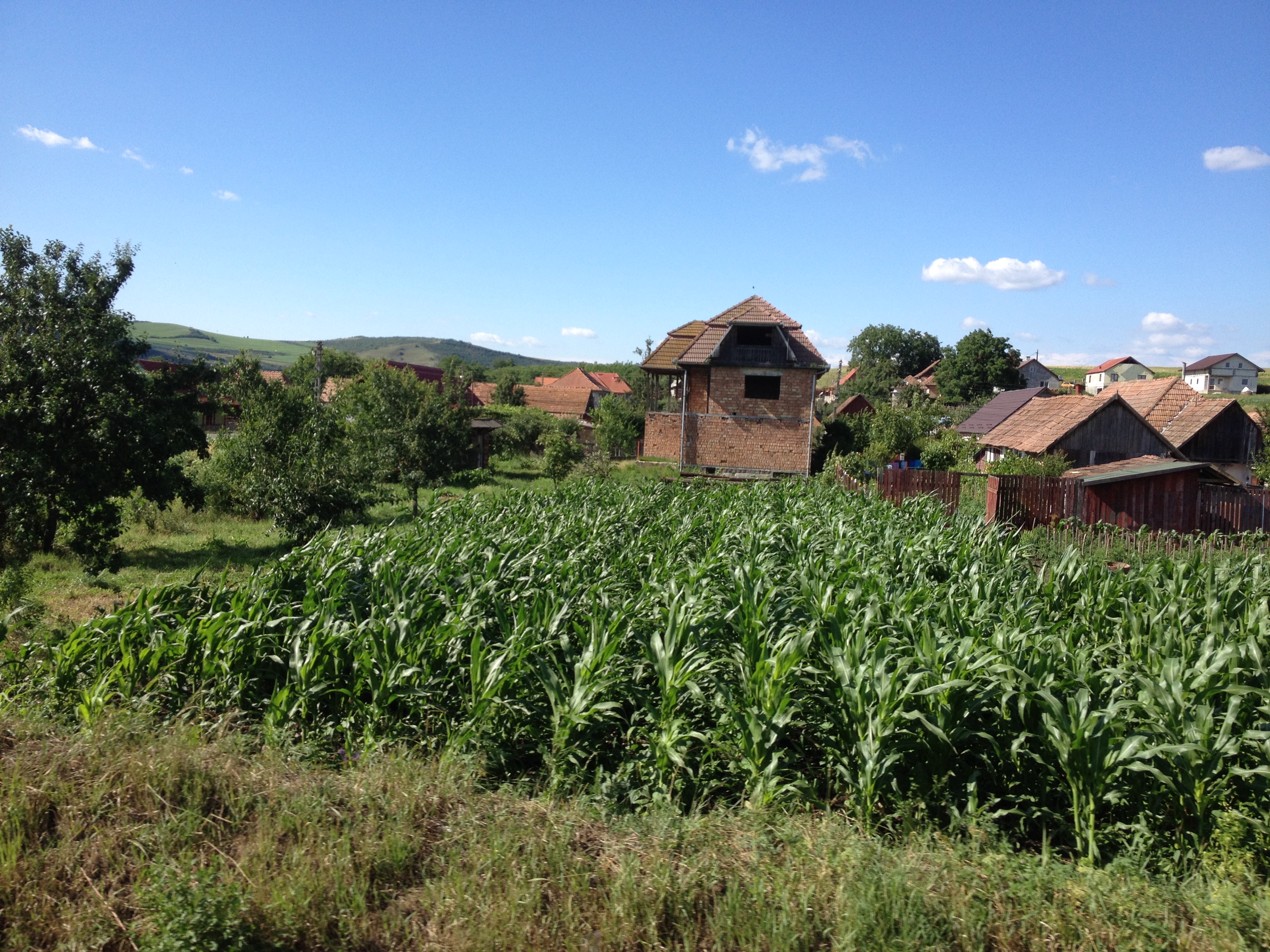
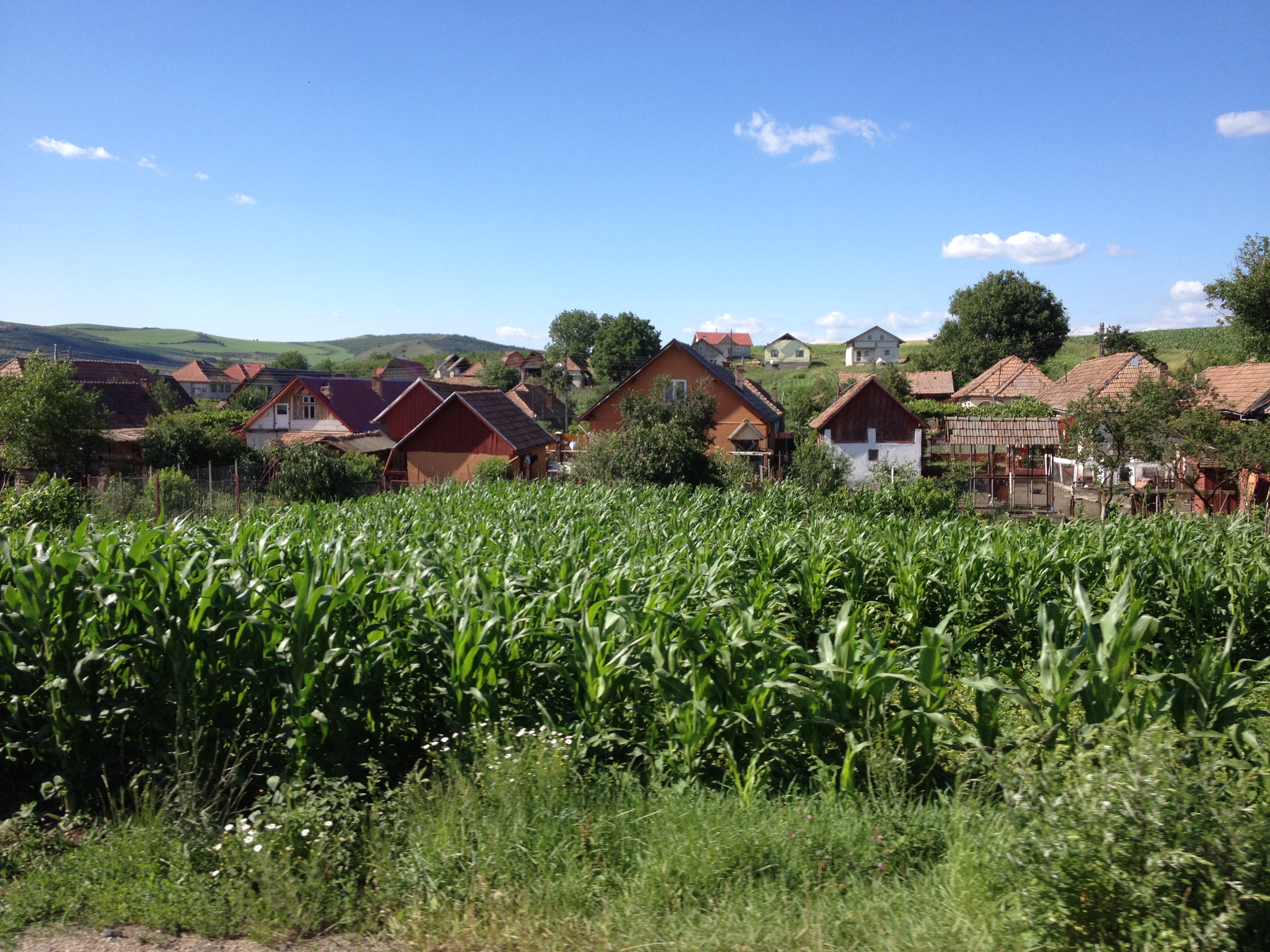
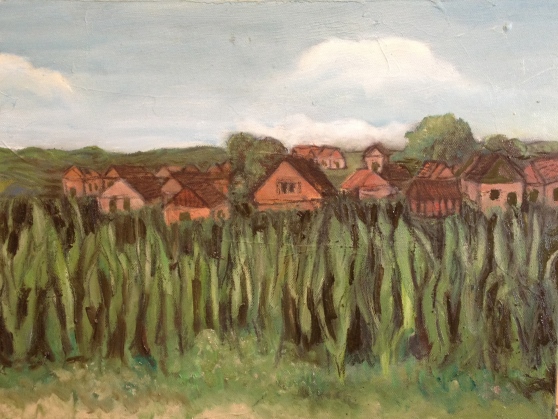
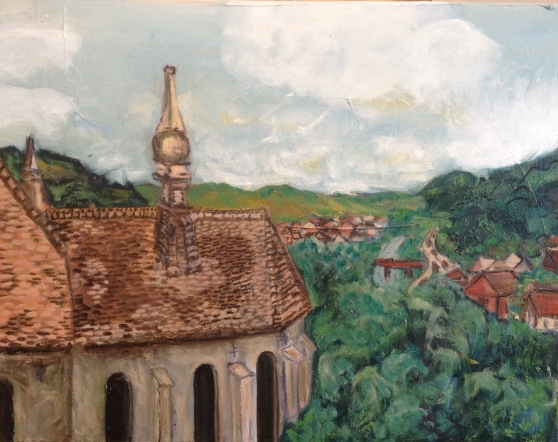
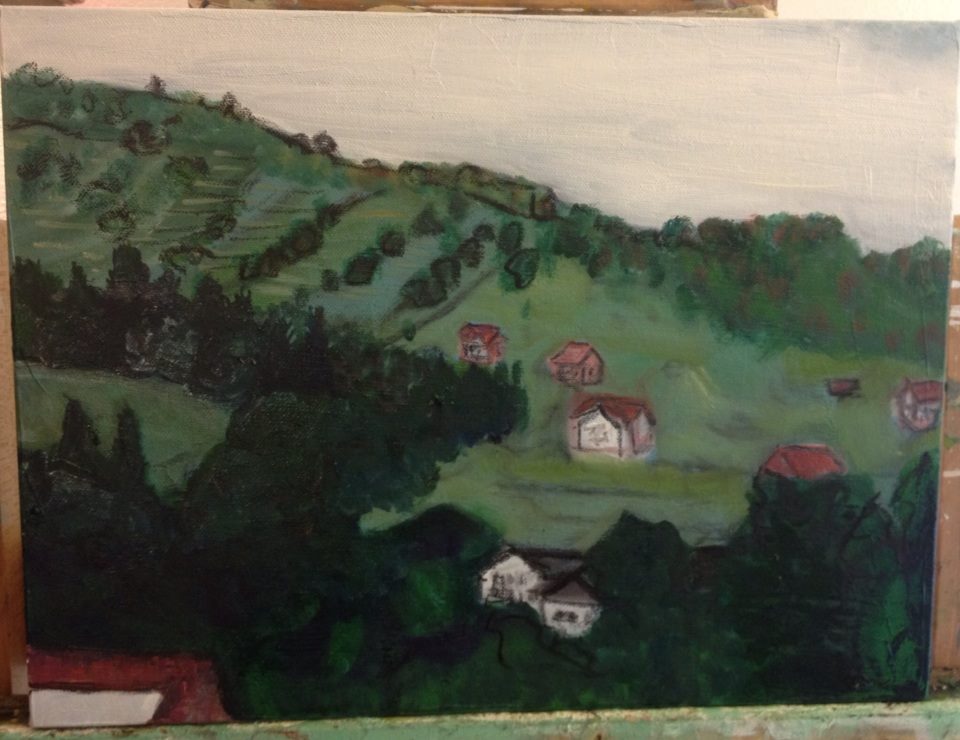
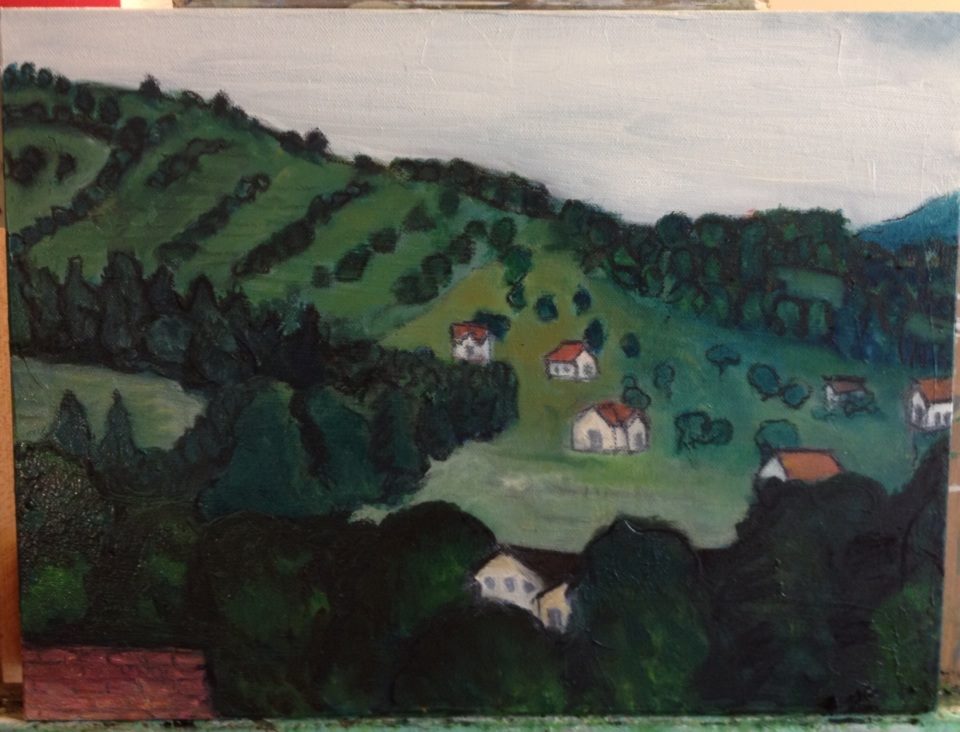
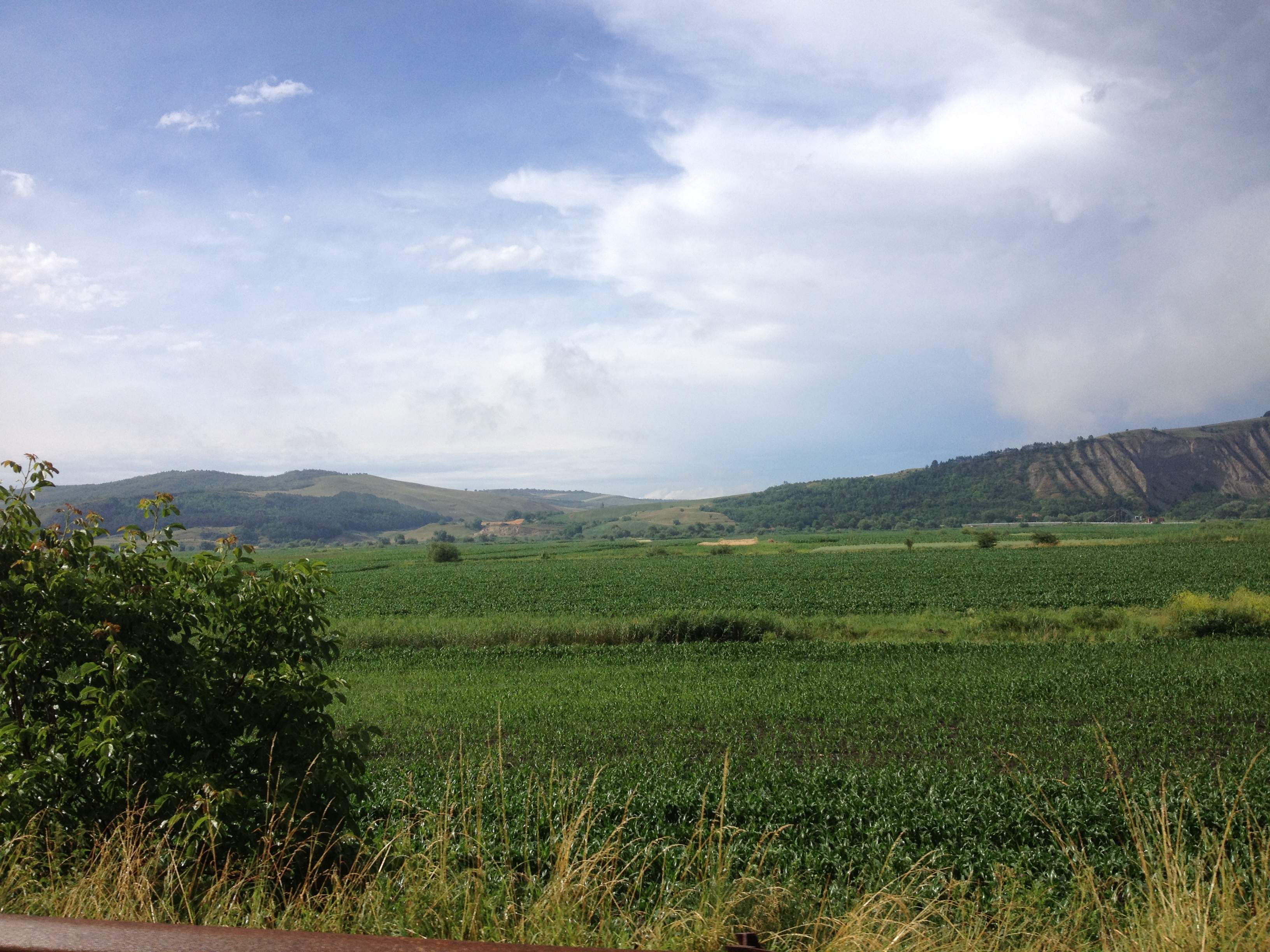
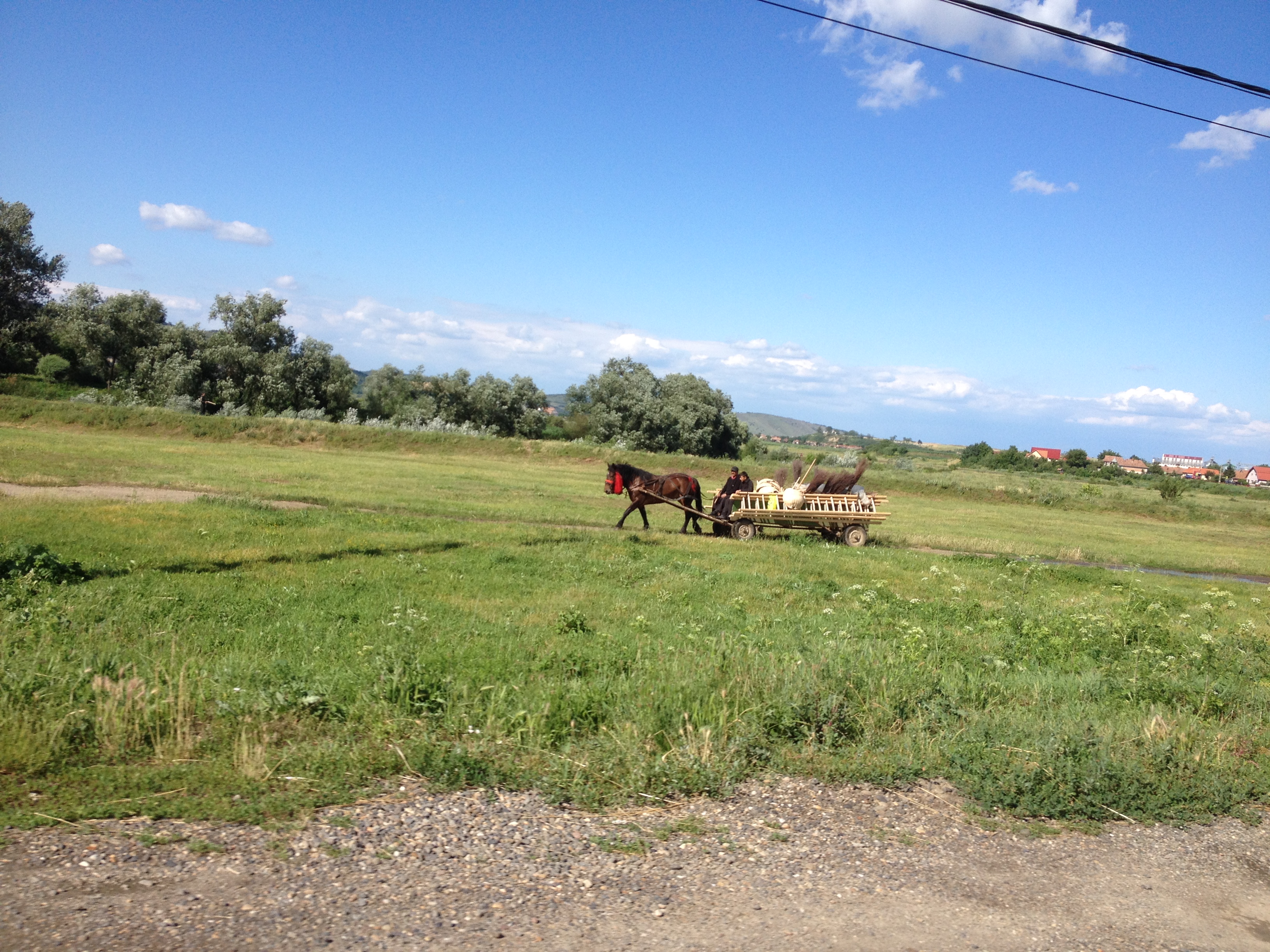
I am currently working on a Romania landscape painting series. It was inspired from a missions trip I went on last year with Livada Orphan Care to Targu Mures Romania. Because the region was mostly country side, we had to drive each day to the on-site work location. I was completely inspired by the beauty of the countryside and took many photographs during these drives. I hope to finish these paintings early next year, where I will photograph them to place into an inspirational prayer book and donate the paintings to Livada to sell for orphan sponsorship.

What do you hope your work will accomplish? How do you want people to be affected, if at all?
I hope to use my work to connect with and help others. I think for others to be affected by my work differs for each series I work on. For the “Maintaining Life” series, I hope people are able to see how even the mundane can be otherwise from an altered perspective.

How do you navigate the art world?
I still have a lot to learn about the “art world.” In the meantime, I will continue to create, blog on paperopera.com, and exhibit my work.

L.K. Sukany at Thesis Show artistinterviewphoto

How would you define a “successful artist”?
Success is such a personal thing. For me, a “successful artist” is an artist who works, who likes their work, and who continues to challenge themselves in their work.

To see more of L.K. Sukany’s work, visit lksukany.wix.com/artist/.

You can also read the interview here.

Paintings for Livada: Romania Hillside View

When I was on the missions trip with Grace Church serving the Livada Orphan Care ministry in Romania, the beauty of the country inspired me. I had the idea that when I got home to Arkansas I could paint these Romanian scenes and donate the paintings to Livada to raise money for orphan sponsorship.

There were so many beautiful landscapes. There were times when we were driving from the day camp to the next place we were going to serve and I would just look out the window and gasp. The place where we were in Romania (Târgu Mureș) was hilly and full of these breathtaking countryside views.

IMG_2518 IMG_2610
IMG_2777 romania

Image to Paint

11. Romania Hillside View

Charcoal Sketch on Canvas

11. Romania Hillside View Sketch

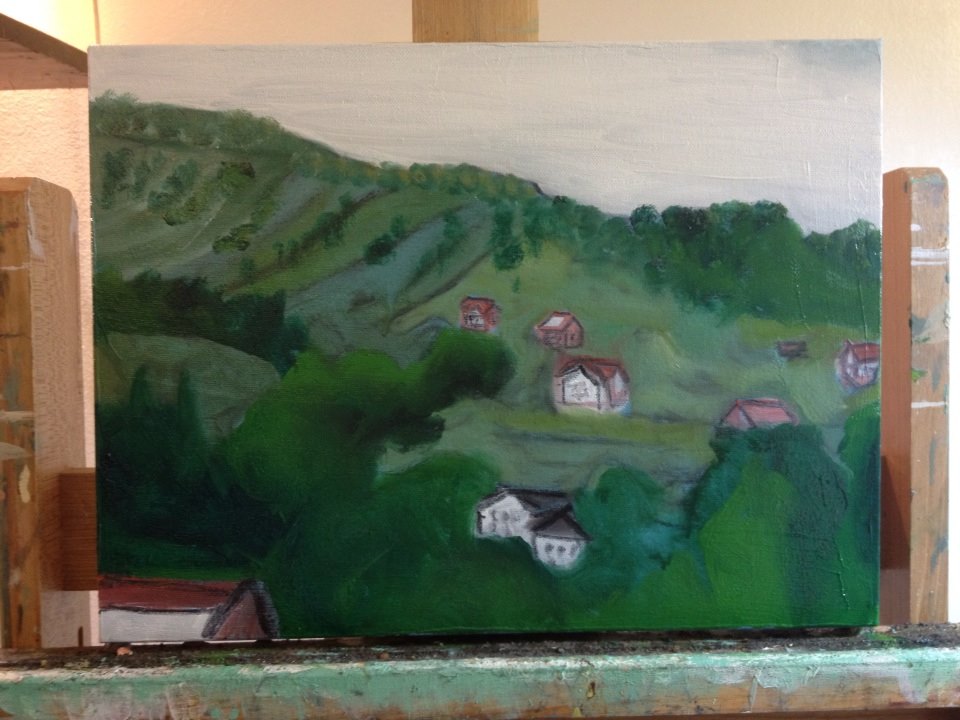
Painting Sketch (1st Coat)

romania romania hillside view

Painting Sketch (2nd Coat)

romania hillside view 2nd coat

Final Painting

Romania hillside view final

UALR 6×6 Event

It all started when…

Emily Wood Facebook messaged me – “Interested in donating to the UALR 6×6 event?” – or something like that.

Six by Six Invitation

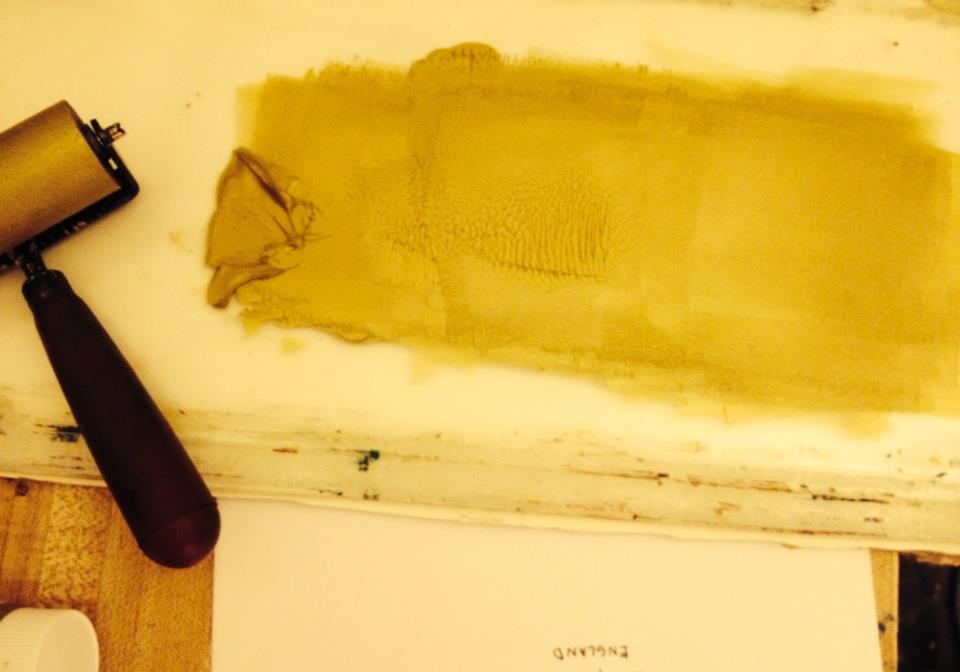
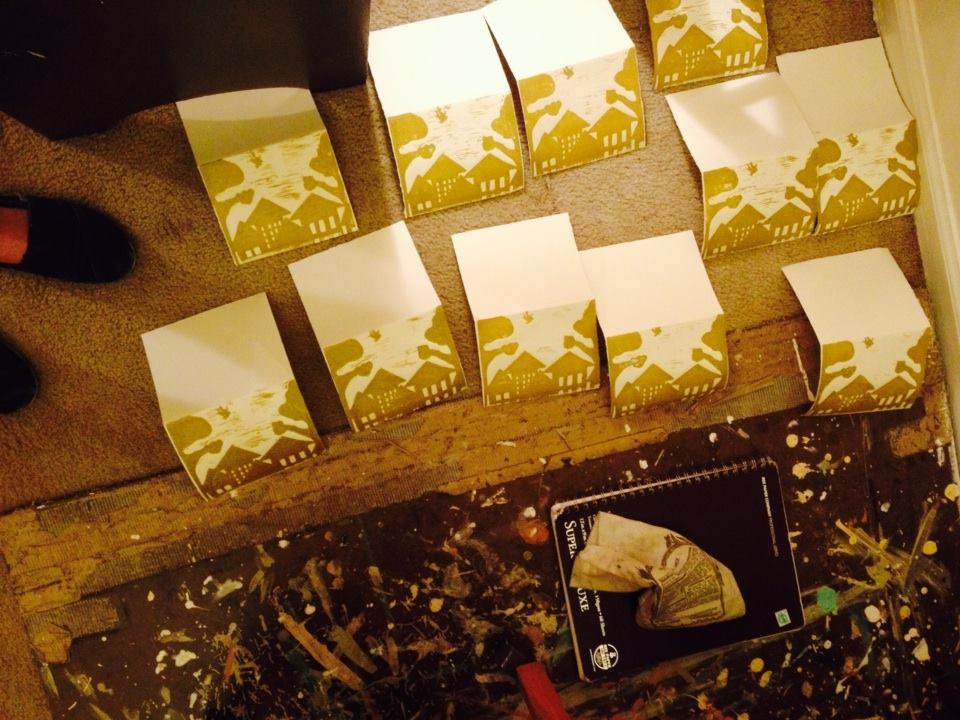
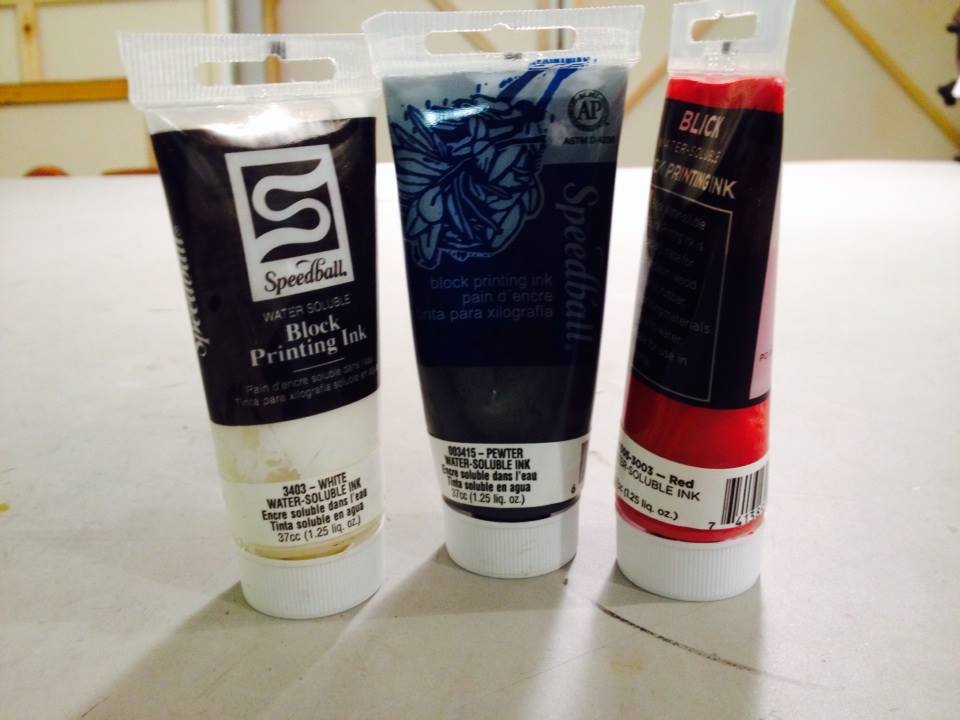
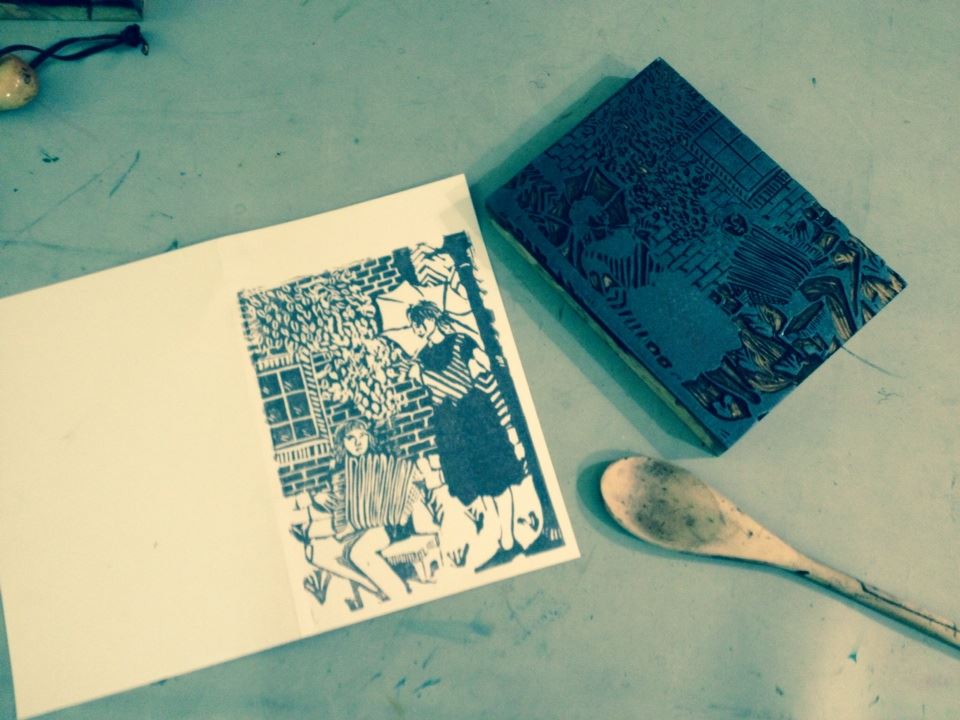
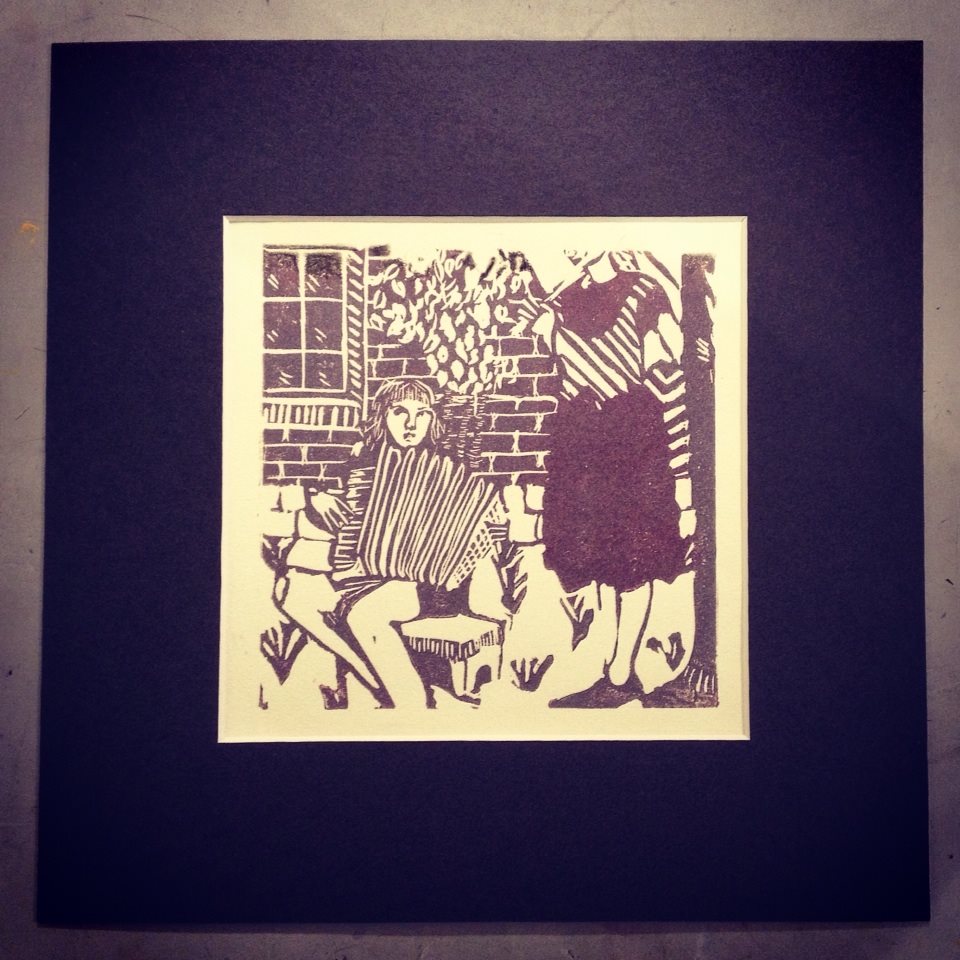
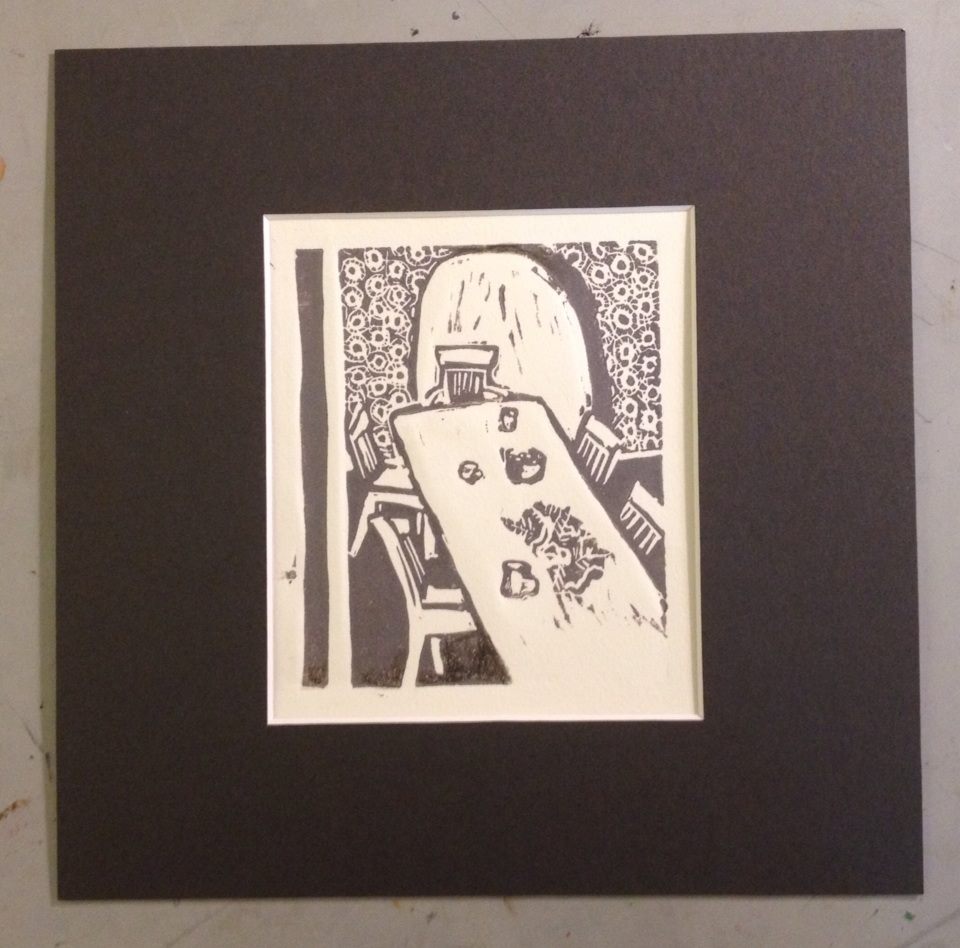
All pieces entered are 6×6 inches – hence the “6×6” title. I decided that prints would be the best way to go, so I tore some paper and mixed some ink (pewter, red, and white). I did test prints first to make sure the cropped images were strong compositions.


ualr6x6 21 

This was a happy accident from rolling out the red ink.

Once everything was printed, I stopped by Hobby Lobby on the way home from work the next day and got the pieces matted – which felt like a complete rip off at $5 per mat! They didn’t even let me keep the matboard scraps they cut from. Yikes was I mad about that.

“The Dancer”

   ualr6x6 16
ualr6x6 17 ualr6x6 4

“The Lady and the Musician”

SONY DSC ualr6x6 24
ualr6x6 3

“Dinner Guests” (which is its actual size)

ualr6x6 6

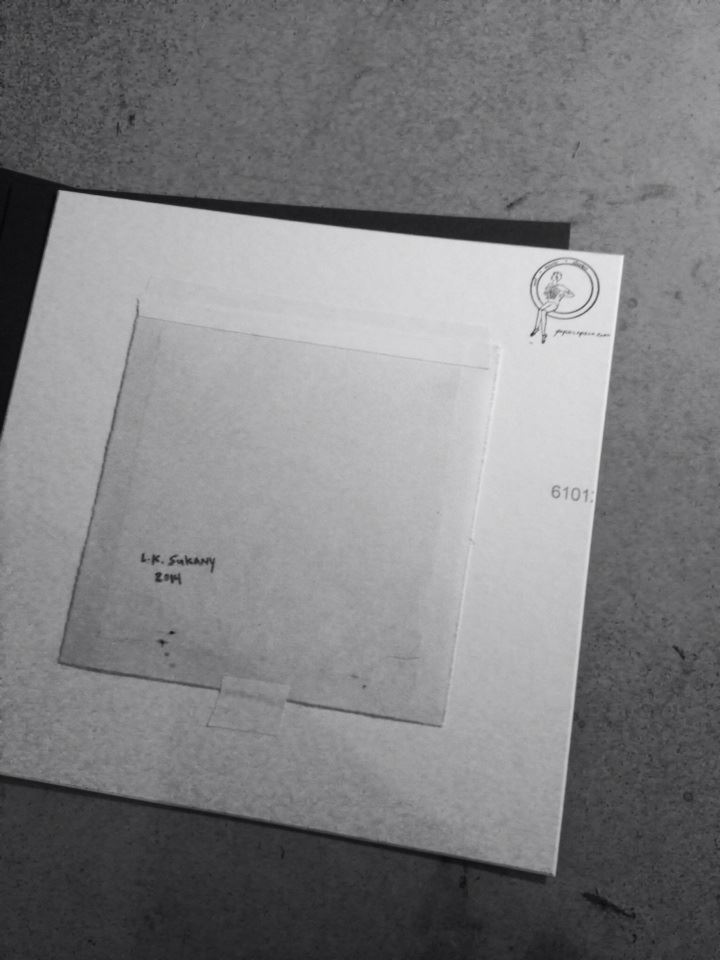
I put the Paper Opera stamp on the back and signed the print.

ualr6x6 9 ualr6x6 11 ualr6x6 13

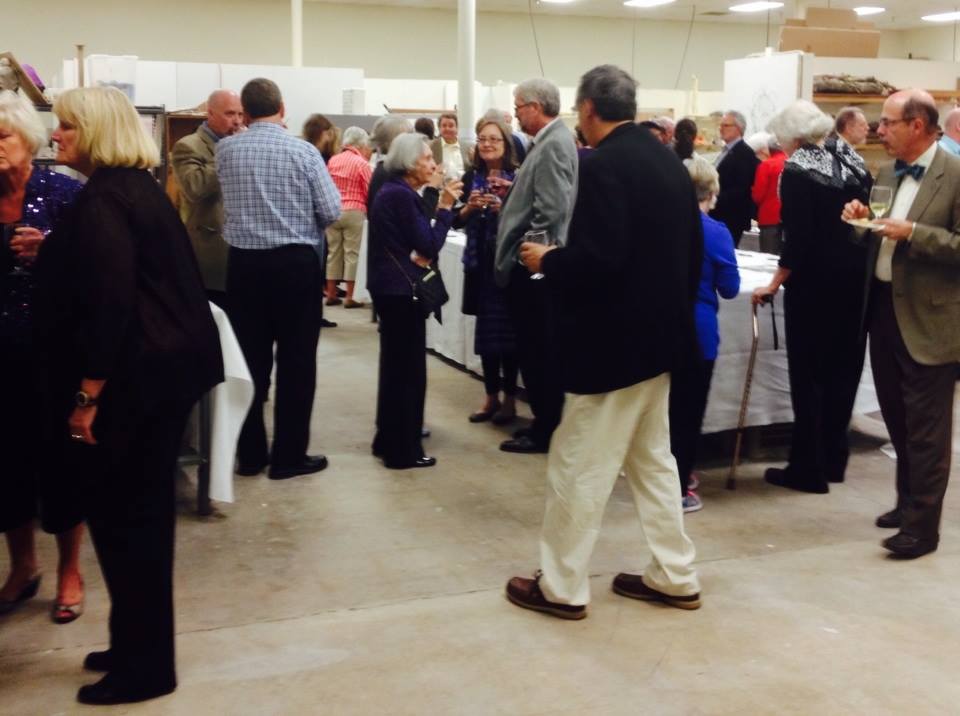
M and I went to the UALR 6×6 event and had a nice time! It was a silent auction – where all of the pieces are placed on the tables and people walk around and bid on them.

ualr6x6artist ualr6x6 bidding

I was happy because all of my pieces got bids.

ualr6x6bids2 ualr6x6bids

At the end of the event, there were speeches and thank you’s and lots of clapping.

ualr6x6speeches

Artist Interview: Micah

Micah Sukany is one of the creators at Paper Opera. He mostly works on the music side of things, though he does write as well.

MusicMKeyboard

Who are you and what do you do?
My name is Micah Sukany. I am one-half of The Damsels in Distress. I also write and record music that doesn’t make it as Damsels pieces. I didn’t self-identify as a musician until late last year. When the Damsels started getting money for pieces we recorded for a radio show, I thought, “Okay, I should probably take this seriously.”

What is your music process?
I work best and most often by recording. When recording,  I have a musical idea and quickly document that. I generally work from those early, recorded fragments. I think the best things I’ve come up with is when I heard the part before I ever played the part. For “Father Priam” I heard that in my head in its entirety and I had to learn to play it – that’s the first time that’s ever happened.

IMG_0934 IMG_0933 IMG_0931

Recording vs. performing?
Recording is exciting because I work to build upon layers, and I can hear everything. When performing I have to concentrate and be mindful of what I’m doing, so I don’t have time to enjoy or even listen. I’m just focused on keeping the tempo and playing the songs.

DugansDamsels17 DugansDamsels9 DugansDamsels11

What is the biggest challenge of creating music and how do you deal with them?
The biggest challenge of creating music is finishing when I lose interest. I haven’t really figured out how to deal with this, so I have a lot of unfinished work. It’s hard to keep going, practicing, working, and reshaping something to be perfect when I lose interest part of the way through. That is a big struggle.

What do you like about your work?
I like that my work is mine. I write it to please myself. I have always written music for myself. I have always been my primary audience. If I don’t like what it sounds like, then it’s probably not that great. I like to make it. I like that I’ve made it. And sometimes, when it’s a song from a dream, I like to listen to something that came from a dream.

I like that me and L.K. make it together, that it is our music. I like it when people say, “that’s nice,” or “I liked that.” Also, when I hear our music in a recording or video, I think it sounds magical, and I like that we’ve created something mysterious.
 KUARRecording8 micah

What inspires your work?
I got tickets to the Arkansas Symphony Orchestra’s performance of Mahlers 5th. After that I was pretty fired up to do something better or different. It’s in the music we wrote for KUAR Arts and Letters Father’s Day show. Also, I wrote all of the instrumental recording for “Grown Ups” on the album “Spinning Plates” immediately after watching the Herzog film “Stroszek.”

M6 M3 M8

What are your favorite inspirational places in Arkansas?
I like both the Big Dam bridge and the Two Rivers bridge. I also like driving quite a bit – the drive from Greenbrier to Harrison on 65, Little Rock to Stuttgart on 165, and I40 to Memphis are all great drives.

MusicMWriting3 MusicMWriting4 MusicMWriting MusicMWriting2

Who are your musical inspirations?
I really like John Lurie, the Lounge Lizards, and Fela Kuti, Africa 70, The Lovers (they are genuine and earnest both qualities I enjoy), Tasseomancy has a great aesthetic for me, and I’m always going to like folk music and European folk music.

I have always been a big fan of Subpop’s Mudhoney. Mudhoney has always been making the same kinds of music since their 20s, and they keep doing it because they like it, and I’ve always admired that they do what they like. I’ve always admired the people that played on Hearts of Space. I always thought Steven Reich was pretty smart. Like, one idea is interesting for the whole piece.

Beethoven is pretty important, especially for rock bands. Beethoven knew how to write parts.

When I think about what a good band should sound like, I think about Beethoven’s 5th symphony. Some times it’s just a single note played in a particular rhythm – just letting things be simple. Not an accompaniment pattern – just simple, like what needs to be there. It’s elegant. That’s what I think for musicians that are professionals.
Sketch - Guitar Circle SONY DSC SONY DSC

What is integral to the work of a musician?
I think the audience is the number one important thing. You can be your own audience. The idea of the rock star or professional musician has distorted what musicians are in a community because they become the sellers of commodities, opposed to storytellers or someone that creates a space in which something happens. If you look at a healthy music community, like bluegrass or classical, the musicians are just as much their teachers and their students. Their identity is connected through other musicians as something they have received and as something they are passing on. The rock star doesn’t give anything in that sense, they just make money.
Discipline and a steady, stable process. The music process involves a lot of listening, internalizing, and applying in new contexts.

POShow4 POShow2 POShow

And he likes to read poetry!

What is your strongest poetry memory?
I went to a poetry reading at Juanita K. Hammons Hall for the Performing Arts in Springfield, Missouri. Up to that point, I mostly read poetry and didn’t realize that I was missing the sound or music of poetry as well as its drama. It didn’t hurt that the poetry was read by some award winning actors of the stage and screen.

Poetry has been definitive for me. I spent three or four years in undergraduate reading it almost exclusively.

M SONY DSC sketch